An estimated 28.8 million U.S. adults[1] could benefit from hearing aids. Your hearing aids collect and amplify speech and important background sounds to keep you connected to the people and world around you. Proper care is the best way to ensure you get the greatest benefit from your devices for as long as possible.
Let’s look at a few steps you can take each night to care for your devices.
Clean Your Hearing Aids
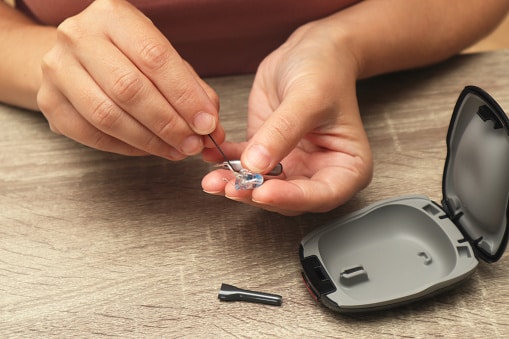
Your hearing aids need nightly cleaning for clear sound and a long life. Your cleaning instructions may change based on the specific make and model, but standard steps include doing the following with your cleaning kit:
- Use a wax pick and brush to remove wax and other debris from the cracks and crevices in your devices
- Wipe your devices down with a soft, dry cloth
- Replace the wax guards if necessary
- Run a vent cleaner through the open vents
- Detach and wash your tubing or earmolds if they’re removable
- Let the tubing or earmolds dry completely before reattaching
If you don’t have time to complete every step each night, complete at least the first two to prevent wax from blocking sound.
Remove Moisture
Moisture can reduce battery life, interfere with sound quality and shorten device lifespan. Removing moisture is especially important after long days at the Stonewall Park Pool or on particularly humid days in Virginia.
Grab a hearing aid dehumidifier—either an electric one or a jar filled with desiccant beads—and place your devices inside after high-moisture days.
Charge or Replace the Batteries
The final thing to do before you go to bed is to charge your rechargeable hearing aids. If your devices use disposable batteries, check their levels and replace them if necessary.
Combining proper nightly care with regular professional service appointments will keep your hearing aids working well in the long run. Contact ENT Specialists Of Northern Virginia today to schedule a service appointment with one of our specialists.
[1] National Institute on Deafness and Other Communication Disorders. (2024). Quick statistics about hearing. U.S. Department of Health and Human Services, National Institutes of Health. https://www.nidcd.nih.gov/health/statistics/quick-statistics-hearing